







 همزة وصل -
Written/Maryam Awad
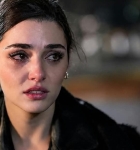
Not every woman written as a heroine has the ability to become a heroine in the viewer’s heart, and not every character who carries the appearance of strength can give strength its true meaning. There is a profound difference between a woman who wins within a story and a woman who turns her victory into a question about life; between a character who confronts others and one who confronts the world without allowing it to take away her right to be herself. From this deeply human and complex territory, Pakistani actress Sana Javed emerges in Bas Tera Saath Ho through the character of Ansa, offering an experience that extends beyond dramatic performance into a deeper reading of a woman who does not wait for someone else to grant her the right to live, but learns how to create a place for herself even when every door appears closed.
Ansa is not merely a beautiful heroine in a romantic story, nor an idealized image of a woman who knows neither fear nor vulnerability. She is a human being carrying within her a mixture of resilience and longing, pride and need, the desire for independence and the need to find someone who understands her without demanding that she surrender herself. This contradiction is precisely what gives the character her value, because a person does not become strong by eliminating weakness, but by learning to live with it without allowing it to become a prison. Here, Sana Javed moves beyond portraying a courageous woman and approaches the portrayal of a woman who understands that courage is not a permanent quality, but a decision renewed whenever life attempts to take something of her dignity.
At her core, Ansa is not a character seeking applause, nor a woman waiting for the world to applaud every time she says no. She understands that some rights are not granted willingly, and that some battles do not begin because a person enjoys conflict, but because they are the only way to prevent the self from disappearing. Her response to injustice therefore becomes more than a dramatic reaction; it expresses an entire philosophy in which silence may be wisdom at certain moments, but becomes a betrayal of the self when it is used to justify humiliation or coexist with oppression.
Sana Javed’s skill lies in the fact that she does not make Ansa a woman who must constantly shout to prove her strength, nor does she turn her anger into a spectacle that consumes the character and traps her in endless emotion. The strength she presents is quieter, yet no less powerful: a strength revealed through the steadiness of a gaze, the choice of words, and the moment when the character decides to take a step forward after others have grown accustomed to seeing her retreat. It is a strength that does not need to announce itself in every scene, because its presence accumulates through details until it becomes part of Ansa’s nature rather than a mask she wears when confronting her opponents.
Sana Javed emerges as an actress who understands that female heroism cannot be measured by the number of confrontations a woman faces, nor by her ability to win every disagreement. It is measured by her ability to preserve her inner voice in a world that constantly attempts to define who she should be. Ansa does not resist injustice because she wants to appear different, but because she knows that repeatedly surrendering one’s rights can eventually turn a person into a stranger to herself. This idea gives the character a depth that exceeds the story, confronting us with a question that belongs not only to women: What remains of a human being when they become accustomed to sacrificing their dignity in order not to lose others?
What distinguishes Ansa most is that she is not presented as a woman whose strength is complete from the very beginning. She is a character learning how to use her strength, how to balance emotion with awareness, and how to protect those she loves without allowing protection to become a permanent sacrifice of herself. There is a significant difference between loving others and making their love a reason to neglect one’s own existence; between remaining loyal to those around us and forgetting that true loyalty should never come at the expense of our right to live. This distinction is one of the richest human dimensions of Ansa’s character, making her feel close to reality rather than resembling an idealized image that knows neither hesitation nor error.
Psychologically, Ansa appears to be a woman attempting to rebuild her sense of safety after losing some of the most important foundations of her life. The absence of a father does not leave an emotional void alone; it changes one’s relationship with the world. A person may become more sensitive to betrayal and more attached to the memories that provide a sense of having once been protected. For this reason, Ansa’s imagined conversations with her father are more than emotional moments. They are attempts to recover an inner voice that gives her confidence when the voices of others become cruel. In her emotional world, her father is not simply an absent person, but a symbol of safety whose influence continues to accompany her and remind her that she deserves the life he once defended for her.
Through this dimension, Sana Javed allows grief to become part of the character without letting it consume her. Ansa does not live entirely in the past, but neither does she pretend to have completely overcome it. She carries memory as one carries something precious: it may hurt at times, yet it also helps her understand what deserves to be held on to. This balance requires a performance capable of approaching emotion without drowning in melodrama, and of giving a scene its truth without imposing ready-made tears upon the audience. The most moving emotions are not always those that announce themselves loudly, but those that reach the heart quietly enough for us to discover that we have been affected before we understand why.
In her relationship with Anas, Ansa becomes more than a romantic partner. She is a force that helps him see himself beyond the image imposed upon him by years of humiliation and submission. Yet she does not fulfill this role because her own life is perfect or because she has never known pain. She does so because she understands that a person may sometimes need just one individual who believes in their ability to rise, before they can begin to believe it themselves. Love in Bas Tera Saath Ho thus becomes a space for rediscovering dignity rather than merely a promise of happiness. Ansa’s presence invites Anas to see himself with less cruelty and to understand that survival means not only escaping injustice, but also freeing oneself from the image injustice has left within the soul.
However, Ansa cannot be reduced to the woman who saves the man, and this is an essential point in understanding her character. True female heroism should not be measured by a woman’s ability to repair other people’s lives, but by her ability to remain the owner of her own life, her own decisions, and her own needs — needs that do not disappear simply because she becomes a source of support for someone she loves. Ansa gives Anas a space of confidence, but she also deserves someone who offers her the same space, and a relationship in which love is reciprocal rather than turning one partner into a permanent rescue project. Mature love does not make one person smaller so the other can appear greater; it gives both the opportunity to become more complete without losing their individual identities.
This is where the character raises a profound philosophical question about sacrifice: Is sacrifice always proof of love, or can it sometimes become an unconscious way of erasing the self? Does a woman who gives everything to others become more deserving of love, or does her worth begin when she understands that she has the right to receive, to ask, to refuse, and to choose? Ansa invites us to consider these questions because she does not appear to be a woman trying to prove her value through the amount of suffering she can endure. Instead, she attempts to make dignity the foundation of every relationship she enters, even when the path toward that foundation is filled with tension and confrontation.
Sana Javed does not portray Ansa as a rigid symbol of the strong woman. She allows her to move through different emotional states, to be angry at times and tender at others, to hesitate without losing our respect, and to suffer without becoming a permanent victim. This ability to portray contradictions is what makes the performance more mature, because a character who never changes, feels, or hesitates is closer to an idea than to a human being. Ansa gains her strength from the authenticity of her emotions, and from the fact that every situation she faces adds another layer to our understanding of her, revealing a side that was not fully visible before.
Sana Javed’s artistic charisma becomes evident in her ability to combine quiet presence with decisive action. She does not need to dominate a scene through voice or movement. She can make the moment of standing against injustice more powerful than a lengthy speech, giving the character a presence that does not depend on exaggeration. This kind of performance reveals confidence in the actor’s tools and an understanding of the screen, which does not always require loud emotion to communicate feeling. Some actors attract attention because they fill a space, while others attract attention because they give that space meaning. In this experience, Sana Javed approaches the latter category, allowing small details to become part of the character’s complete construction.
She does not merely make Ansa beloved by the audience; she gives her something more valuable than temporary affection: the ability to be understood, discussed, and to raise questions about how we treat women when they refuse to submit, and about the standards that lead us to describe a woman as strong while forgetting that strength may lie in her simplest rights — to study, to own, to choose, and to live without turning her existence into a permanent examination of other people’s approval.
From a broader perspective, Ansa represents a woman who does not wait for the world to become just before she begins demanding her rights. She has no complete guarantees and lives in an environment that does not always offer comfort, yet she understands that waiting for the perfect moment may mean postponing life indefinitely. This idea carries a philosophy of freedom: freedom is not always the ability to choose from a wide range of options. Sometimes it is the refusal to accept the only option others attempt to impose upon you, and the ability to turn a narrow space into the beginning of a wider path.
Perhaps this is what makes Ansa capable of crossing cultural boundaries. Although her story belongs to a specific social environment, it touches human questions familiar to a broad audience. Every woman who has faced the belittling of her worth, every person who has had to defend their right to be treated with dignity, and every individual who has been expected to remain silent in order to preserve their place can recognize something of their own experience in Ansa. True universality does not emerge from cultures being identical, but from art’s ability to discover emotions that recur within human beings, regardless of language or the details of their lives.
Sana Javed therefore stands out as an artist who does not simply pass through a character, but seeks to leave within it a trace of her awareness and sensitivity. Giving a role something of one’s spirit does not mean dissolving oneself into it. It means knowing how to capture what makes the character alive, and how to give her details that feel natural rather than artificial or disconnected from her circumstances. A strong performance does not make us watch the actor trying to become the character; it makes us forget the distance between them and feel that we are witnessing a real woman with her own history, fears, dreams, and way of understanding the world.
This analysis of Sana Javed’s experience as Ansa reveals a dimension of her performance through the perspective of journalist and art critic Omar Maher, who believes that an actress’s value is measured not only by her ability to embody emotion, but also by her ability to build a character that remains in memory after the story has ended. Ansa is not merely a female role added to an actress’s artistic record. She is a space in which to examine the meaning of strength when surrounded by vulnerability, the meaning of love when it becomes a shared responsibility, and the meaning of dignity when it transforms from a beautiful idea into a daily stance requiring genuine courage.
In Bas Tera Saath Ho, Sana Javed approaches an artistic territory worthy of recognition — a territory in which success is not determined only by the audience’s sympathy for the character, but by the character’s ability to leave an intellectual and emotional impression. Ansa does not ask us to love her because she is perfect, but because she is a human being trying to preserve herself in a world that does not always give her what she deserves. She does not ask us to see her victorious at every moment, but to understand that victory may sometimes lie in simply refusing inner defeat, and in remaining capable of saying "I” without guilt.
A true star is not created by a single role, but one role can reveal a dimension of an artist’s talent that may not have been sufficiently visible before. Sana Javed gives Ansa the opportunity to become more than a passing character. She gives her the space to become an idea about a woman who refuses to surrender her right to life, and about an actress who knows how to turn a character into an experience worthy of reflection. If artistic greatness is the place an actor reaches when skill and awareness become fully integrated, then the journey toward it is not built on beauty alone, nor on fame alone. It is built on the ability to choose roles that offer an opportunity for self-discovery, and to leave a distinct mark in every experience.
Ultimately, Ansa’s greatness does not lie in the fact that she never breaks, but in the fact that she refuses to allow her broken moments to define her completely. Sana Javed’s greatness does not lie merely in making the character strong, but in giving that strength a human meaning, turning heroism into a space that accommodates tears, longing, and need without taking away a woman’s right to decide. Ansa reminds us that strength is not living without fear, but choosing one’s path despite fear; it is not winning every battle, but remaining faithful to oneself when the reasons for surrender become many.
Thus, Sana Javed in Bas Tera Saath Ho becomes more than a heroine delivering a successful role. She becomes the voice of a character who refuses to be reduced to her circumstances, and the face of an idea that says a woman does not need to be extraordinary to deserve respect, nor free of weakness to be strong. She simply needs the right to be seen as a complete human being, and to be recognized beyond the role society imposes upon her and beyond the image the camera chooses to capture. In this space, Sana Javed leaves her true mark — a mark that does not disappear when the story ends, but continues to remind us that some characters do not merely pass across the screen; they pass into us, remaining as a sign that dignity, when portrayed with honesty, transforms from an abstract concept into a life we can touch and believe in.
سناء جاويد في «Bas Tera Saath Ho».. أنسا التي أعادت تعريف البطولة النسائية، وجعلت من القوة فلسفةً لا تُهزم
ليست كل امرأةٍ تُكتب لها البطولة قادرةً على أن تصبح بطلةً في وجدان المشاهد، وليست كل شخصيةٍ تحمل ملامح القوة قادرةً على أن تمنح القوة معناها الحقيقي. فثمة فرقٌ عميق بين امرأةٍ تنتصر في الحكاية، وامرأةٍ تجعل من انتصارها سؤالًا عن الحياة، وبين شخصيةٍ تقف في مواجهة الآخرين، وشخصيةٍ تقف في مواجهة العالم دون أن تسمح له بأن ينتزع منها حقها في أن تكون نفسها. ومن هذه المنطقة الإنسانية شديدة التعقيد، تتقدم الممثلة الباكستانية سناء جاويد في مسلسل «Bas Tera Saath Ho»، من خلال شخصية أنسا، لتقدم تجربةً لا تتوقف عند حدود الأداء الدرامي، بل تمتد إلى قراءةٍ أعمق لمعنى المرأة التي لا تنتظر أن يمنحها أحدٌ حقها في الحياة، وإنما تتعلم كيف تصنع لنفسها مكانًا، حتى حين تبدو الأبواب جميعها مغلقة.
أنسا ليست مجرد بطلةٍ جميلةٍ في حكايةٍ عاطفية، وليست صورةً مثاليةً لامرأةٍ لا تعرف الخوف أو الانكسار، بل هي إنسانةٌ تحمل داخلها مزيجًا من الصلابة والحنين، من الكبرياء والاحتياج، من الرغبة في الاستقلال والحاجة إلى أن تجد من يفهمها دون أن يطالبها بالتنازل عن ذاتها. وهذا التناقض تحديدًا هو ما يمنح الشخصية قيمتها؛ لأن الإنسان لا يصبح قويًا حين يتخلص من ضعفه، بل حين يتعلم كيف يعيش معه دون أن يسمح له بأن يتحول إلى قيدٍ يختنق داخله. هنا تتجاوز سناء جاويد فكرة تقديم امرأةٍ شجاعة، لتقترب من تقديم امرأةٍ تعرف أن الشجاعة ليست صفةً ثابتة، وإنما قرارٌ يتجدد كلما حاولت الحياة أن تنتزع منها شيئًا من كرامتها.
إن أنسا، في جوهرها، ليست شخصيةً تبحث عن التصفيق، ولا امرأةً تنتظر أن يصفق لها العالم كلما قالت «لا». إنها شخصيةٌ تدرك أن بعض الحقوق لا تُمنح بالرضا، وأن بعض المعارك لا تبدأ لأن الإنسان يحب الصراع، بل لأنها الطريقة الوحيدة التي يستطيع بها أن يحافظ على نفسه من التلاشي. ومن هنا يصبح موقفها من الظلم أكثر من مجرد رد فعلٍ درامي؛ إنه تعبيرٌ عن فلسفةٍ كاملة ترى أن الصمت قد يكون حكمةً في بعض اللحظات، لكنه يتحول إلى خيانةٍ للذات حين يصبح وسيلةً لتبرير الإهانة أو التعايش مع القهر.
وتكمن براعة سناء جاويد في أنها لا تجعل أنسا امرأةً تصرخ طوال الوقت كي تثبت أنها قوية، ولا تحوّل غضبها إلى استعراضٍ يستهلك الشخصية ويجعلها أسيرة الانفعال. فالقوة التي تقدمها أكثر هدوءًا، لكنها ليست أقل حدة؛ قوةٌ تتجلى في ثبات النظرة، وفي اختيار الكلمات، وفي اللحظة التي تقرر فيها الشخصية أن تتقدم خطوةً إلى الأمام بعدما اعتاد الآخرون رؤيتها تتراجع. إنها قوةٌ لا تحتاج إلى أن تعلن عن نفسها في كل مشهد، لأن حضورها يتراكم في التفاصيل، ويصبح مع الوقت جزءًا من طبيعة أنسا، لا مجرد قناعٍ ترتديه حين تواجه خصومها.
وهنا تظهر سناء جاويد بوصفها ممثلةً تدرك أن البطولة النسائية لا تُقاس بعدد المواجهات التي تخوضها المرأة، ولا بمدى قدرتها على الانتصار في كل خلاف، بل بقدرتها على الاحتفاظ بصوتها الداخلي وسط عالمٍ يحاول باستمرار أن يحدد لها ما يجب أن تكونه. فأنسا لا تقف في وجه الظلم لأنها تريد أن تبدو مختلفة، وإنما لأنها تعرف أن التنازل المتكرر عن الحق قد يحوّل الإنسان، مع مرور الوقت، إلى غريبٍ عن نفسه. وهذه الفكرة تمنح الشخصية عمقًا يتجاوز الحكاية، لأنها تضعنا أمام سؤالٍ لا يخص النساء وحدهن: ماذا يبقى من الإنسان حين يعتاد أن يتنازل عن كرامته حتى لا يخسر الآخرين؟
إن أكثر ما يميز أنسا هو أنها لا تُقدَّم باعتبارها امرأةً مكتملة القوة منذ اللحظة الأولى، بل باعتبارها شخصيةً تتعلم كيف تستخدم قوتها، وكيف توازن بين عاطفتها ووعيها، وبين رغبتها في حماية من تحب وضرورة ألا تتحول الحماية إلى تضحيةٍ دائمةٍ بنفسها. فهناك فارقٌ كبير بين أن يحب الإنسان الآخرين، وأن يجعل من حبهم سببًا لإهمال ذاته، وبين أن يكون وفيًا لمن حوله، وأن ينسى أن الوفاء الحقيقي لا ينبغي أن يكون على حساب وجوده. وهذا الفارق هو أحد أكثر الجوانب الإنسانية ثراءً في شخصية أنسا، لأنه يجعلها قريبةً من الواقع، لا من الصورة المثالية التي لا تعرف التردد ولا الخطأ.
ومن الناحية النفسية، تبدو أنسا امرأةً تحاول أن تعيد بناء إحساسها بالأمان بعد أن فقدت بعض أهم ركائز حياتها. فغياب الأب لا يترك فراغًا عاطفيًا فحسب، بل يغيّر شكل العلاقة بالعالم؛ إذ يصبح الإنسان أكثر حساسيةً تجاه الخذلان، وأكثر تمسكًا بما تبقى له من ذكرياتٍ تمنحه شعورًا بأنه لم يكن وحيدًا يومًا. ولهذا تبدو حوارات أنسا المتخيلة مع والدها أكثر من مجرد لحظاتٍ عاطفية؛ إنها محاولةٌ لاستعادة صوتٍ داخليٍ يمنحها الثقة حين تتراجع أصوات الآخرين إلى مستوى القسوة. فالأب، في وجدانها، ليس مجرد شخصٍ غائب، بل رمزٌ للأمان الذي لا يزال قادرًا على أن يرافقها من خلال أثره، وأن يذكّرها بأنها تستحق الحياة التي دافع عنها من أجلها.
وتستطيع سناء جاويد، من خلال هذه المساحة، أن تجعل الحزن جزءًا من الشخصية دون أن تسمح له بأن يبتلعها. فأنسا لا تعيش في الماضي، لكنها لا تتظاهر أيضًا بأنها تجاوزته بالكامل. إنها تحمل الذاكرة كما يحمل الإنسان شيئًا ثمينًا؛ قد يؤلمه أحيانًا، لكنه يمنحه في الوقت نفسه القدرة على فهم ما يستحق أن يتمسك به. وهذه المعادلة تحتاج إلى أداءٍ يعرف كيف يقترب من العاطفة دون أن يغرق في الميلودراما، وكيف يمنح المشهد صدقه دون أن يفرض على المشاهد دموعًا جاهزة. فالمشاعر الأكثر تأثيرًا ليست تلك التي تُعلن عن نفسها بأعلى صوت، بل تلك التي تصل إلى القلب بهدوءٍ يجعلنا نكتشف أننا تأثرنا قبل أن نعرف السبب.
وفي علاقتها بأنس، تتجلى أنسا بوصفها أكثر من شريكةٍ عاطفية؛ إنها قوةٌ تساعده على رؤية نفسه خارج الصورة التي فرضتها عليه سنوات الإهانة والخضوع. لكنها لا تقوم بهذا الدور لأنها تملك حياةً مثاليةً أو لأنها لا تعرف الألم، بل لأنها تدرك أن الإنسان قد يحتاج أحيانًا إلى شخصٍ واحدٍ يؤمن بقدرته على النهوض، حتى يبدأ هو نفسه في تصديق ذلك. وهنا يصبح الحب في «Bas Tera Saath Ho» مساحةً لإعادة اكتشاف الكرامة، لا مجرد وعدٍ بالسعادة، ويصبح وجود أنسا في حياة أنس دعوةً إلى أن يتعلم كيف يرى نفسه بعينٍ أقل قسوة، وأن يفهم أن النجاة لا تعني فقط الخروج من الظلم، بل التحرر من الصورة التي تركها الظلم داخل النفس.
لكن أنسا لا تُختزل في كونها المرأة التي تنقذ الرجل، وهذه نقطةٌ شديدة الأهمية في قراءة الشخصية. فالبطولة النسائية الحقيقية لا ينبغي أن تُقاس بقدرة المرأة على إصلاح حياة الآخرين، وإنما بقدرتها على أن تظل صاحبة حياةٍ خاصة، وقراراتٍ مستقلة، واحتياجاتٍ لا تختفي لمجرد أنها أصبحت مصدر دعمٍ لمن تحب. إن أنسا تمنح أنس مساحةً من الثقة، لكنها في الوقت نفسه تستحق أن تجد من يمنحها المساحة ذاتها، وأن يكون الحب بينهما علاقةً متبادلةً لا يتحول فيها أحد الطرفين إلى مشروع إنقاذٍ دائم للآخر. فالحب الناضج لا يجعل أحدًا أصغر كي يبدو الآخر أكبر، بل يمنح الاثنين فرصةً لأن يصبحا أكثر اكتمالًا دون أن يفقد أيٌ منهما ملامحه.
ومن هنا، فإن الشخصية تطرح سؤالًا فلسفيًا بالغ الأهمية عن معنى التضحية: هل التضحية دليلٌ على الحب في كل الأحوال، أم أنها قد تتحول أحيانًا إلى طريقةٍ غير واعيةٍ لإلغاء الذات؟ وهل المرأة التي تمنح الآخرين كل شيءٍ تصبح أكثر استحقاقًا للحب، أم أن استحقاقها يبدأ من اللحظة التي تعرف فيها أن لها حقًا في أن تأخذ، وأن تطلب، وأن ترفض، وأن تختار؟ أنسا تمنحنا مساحةً للتفكير في هذه الأسئلة، لأنها لا تبدو امرأةً تسعى إلى إثبات قيمتها من خلال مقدار ما تتحمله، بل شخصيةً تحاول أن تجعل من كرامتها أساسًا لكل علاقةٍ تدخلها، حتى لو كان الطريق إلى ذلك مليئًا بالتوتر والمواجهة.
إن سناء جاويد لا تقدم أنسا باعتبارها رمزًا جامدًا للمرأة القوية، بل تجعلها شخصيةً تتحرك بين حالاتٍ متعددة، وتمنحها الحق في أن تكون غاضبةً أحيانًا، وحنونةً أحيانًا أخرى، وأن تتردد دون أن تفقد احترامنا، وأن تتألم دون أن تصبح ضحيةً دائمة. وهذه القدرة على تقديم التناقضات هي ما يجعل الأداء أكثر نضجًا؛ لأن الشخصية التي لا تتغير ولا تتأثر ولا تتردد تبدو أقرب إلى الفكرة منها إلى الإنسان. أما أنسا، فإنها تكتسب قوتها من كونها حقيقيةً في مشاعرها، ومن أن كل موقفٍ تخوضه يضيف إلى فهمنا لها طبقةً جديدة، ويكشف عن جانبٍ لم يكن واضحًا من قبل.
وتبرز الكاريزما الفنية لسناء جاويد في قدرتها على الجمع بين الحضور الهادئ والقرار الحاسم. فهي لا تحتاج إلى أن تسيطر على المشهد بالصوت أو الحركة، بل تستطيع أن تجعل لحظة الوقوف في وجه الظلم أكثر تأثيرًا من خطابٍ طويل، وأن تمنح الشخصية حضورًا لا يعتمد على المبالغة. وهذا النوع من الأداء يكشف عن ثقةٍ في الأدوات، وعن فهمٍ لطبيعة الشاشة التي لا تحتاج دائمًا إلى انفعالٍ صاخب كي تنقل المشاعر. فبعض الممثلين يلفتون الانتباه لأنهم يملؤون المكان، بينما يلفت آخرون الانتباه لأنهم يمنحون المكان معنى؛ وسناء جاويد، في هذه التجربة، تقترب من النوع الثاني، حيث تصبح التفاصيل الصغيرة جزءًا من البناء الكامل للشخصية.
إنها لا تكتفي بأن تجعل أنسا محبوبةً لدى الجمهور، بل تمنحها ما هو أكثر قيمةً من المحبة العابرة: تمنحها قابليةً لأن تُفهم، وأن تُناقش، وأن تثير أسئلةً حول الطريقة التي نتعامل بها مع النساء حين يرفضن الخضوع، وحول المعايير التي تجعلنا نصف امرأةً بأنها قوية، بينما ننسى أن القوة قد تكون في أبسط حقوقها، في أن تدرس، وأن تمتلك، وأن تختار، وأن تعيش دون أن تتحول حياتها إلى امتحانٍ دائمٍ لإرضاء الآخرين.
ومن زاويةٍ أوسع، فإن أنسا تمثل صورةً للمرأة التي لا تنتظر من العالم أن يصبح عادلًا كي تبدأ في المطالبة بحقها. فهي لا تملك ضماناتٍ كاملة، ولا تعيش في بيئةٍ تمنحها الراحة، لكنها تدرك أن انتظار اللحظة المثالية قد يعني تأجيل الحياة إلى أجلٍ غير معلوم. وهذه الفكرة تحمل في داخلها فلسفةً عن الحرية؛ فالحرية ليست دائمًا أن تختار من بين خياراتٍ واسعة، بل قد تكون أن ترفض الخيار الوحيد الذي يحاول الآخرون فرضه عليك، وأن تصنع من المساحة الضيقة بدايةً لطريقٍ أكثر اتساعًا.
ولعل هذا ما يجعل أنسا شخصيةً قادرةً على عبور الحدود الثقافية؛ لأن قصتها، رغم انتمائها إلى بيئةٍ اجتماعيةٍ محددة، تلامس أسئلةً إنسانيةً يعرفها جمهورٌ واسع. فكل امرأةٍ واجهت التقليل من شأنها، وكل إنسانٍ اضطر إلى الدفاع عن حقه في أن يُعامل بكرامة، وكل شخصٍ وجد نفسه مطالبًا بأن يكون صامتًا كي يحافظ على مكانه، يستطيع أن يرى في أنسا شيئًا من تجربته. إن العالمية الحقيقية لا تأتي من تشابه الثقافات، بل من قدرة الفن على اكتشاف المشاعر التي تتكرر داخل الإنسان مهما اختلفت لغته أو ملامح حياته.
وهنا تبرز سناء جاويد باعتبارها فنانةً لا تكتفي بالمرور داخل الشخصية، بل تسعى إلى أن تترك فيها أثرًا من وعيها وحساسيتها. فالممثل الذي يمنح الدور شيئًا من روحه لا يعني أنه يذيب نفسه فيه، بل إنه يعرف كيف يلتقط من الشخصية ما يجعلها قابلةً للحياة، وكيف يمنحها تفاصيل لا تبدو مصطنعةً أو منفصلةً عن سياقها. إن الأداء الجيد لا يجعلنا نرى الممثل وهو يحاول أن يكون الشخصية، بل يجعلنا ننسى المسافة بين الاثنين، ونشعر بأننا أمام إنسانةٍ لها تاريخها الخاص، ومخاوفها، وأحلامها، وطريقتها في فهم العالم.
وكان لهذا التحليل أن يكشف جانبًا من تجربة سناء جاويد في شخصية أنسا، كما يقرأها الكاتب الصحفي والناقد الفني عمر ماهر، الذي يرى أن قيمة الممثلة لا تُقاس فقط بقدرتها على تجسيد الانفعال، وإنما بقدرتها على بناء شخصيةٍ تظل حاضرةً في الذاكرة بعد انتهاء الحكاية. فأنسا ليست مجرد دورٍ نسائيٍ يضيف إلى رصيد الفنانة، بل مساحةٌ لاختبار معنى القوة حين تكون محاطةً بالهشاشة، ومعنى الحب حين يصبح مسؤوليةً متبادلة، ومعنى الكرامة حين تتحول من فكرةٍ جميلة إلى موقفٍ يوميٍ يتطلب شجاعةً حقيقية.
إن سناء جاويد، في «Bas Tera Saath Ho»، تقترب من منطقةٍ فنيةٍ تستحق التقدير؛ منطقةٍ لا يكون فيها النجاح مرتبطًا فقط بمدى تعاطف الجمهور مع الشخصية، بل بمدى قدرتها على أن تترك في المشاهد أثرًا فكريًا وعاطفيًا. فأنسا لا تطلب منا أن نحبها لأنها مثالية، بل لأنها إنسانةٌ تحاول أن تحافظ على نفسها وسط عالمٍ لا يمنحها دائمًا ما تستحقه. ولا تطلب منا أن نراها منتصرةً في كل لحظة، بل أن نفهم أن الانتصار قد يكون أحيانًا في مجرد رفض الهزيمة الداخلية، وفي أن تظل المرأة قادرةً على قول «أنا» دون أن تشعر بالذنب.
إن النجمة الحقيقية لا تُصنع من دورٍ واحد، لكنها قد تكشف في دورٍ واحدٍ عن جانبٍ من موهبتها لم يكن واضحًا بما يكفي من قبل. وسناء جاويد تمنح أنسا فرصةً لأن تكون أكثر من شخصيةٍ عابرة؛ تمنحها مساحةً لتصبح فكرةً عن المرأة التي لا تتخلى عن حقها في الحياة، وعن الفنانة التي تعرف كيف تجعل من الشخصية تجربةً تستحق التأمل. وإذا كانت القمة الفنية هي المكان الذي يصل إليه الممثل حين تتكامل أدواته مع وعيه، فإن الطريق إليها لا يقوم على الجمال وحده، ولا على الشهرة وحدها، بل على القدرة على أن يختار أدوارًا تمنحه فرصةً لإعادة اكتشاف نفسه، وأن يترك في كل تجربةٍ علامةً مختلفة.
وفي النهاية، لا تكمن عظمة أنسا في أنها لم تنكسر، بل في أنها لم تسمح لانكساراتها بأن تعرّفها بالكامل. ولا تكمن عظمة سناء جاويد في أنها جعلت الشخصية قويةً فحسب، بل في أنها منحت قوتها معنىً إنسانيًا، وجعلت من البطولة مساحةً تتسع للدموع والحنين والاحتياج، دون أن تفقد المرأة حقها في القرار. فأنسا تذكّرنا بأن القوة ليست أن يعيش الإنسان بلا خوف، بل أن يختار طريقه رغم الخوف؛ وليست أن يربح كل معركة، بل أن يظل وفيًا لذاته حين تتعدد أسباب التنازل.
وهكذا، تصبح سناء جاويد في «Bas Tera Saath Ho» أكثر من بطلةٍ تؤدي دورًا ناجحًا؛ تصبح صوتًا لشخصيةٍ ترفض أن تُختصر في ظروفها، ووجهًا لفكرةٍ تقول إن المرأة لا تحتاج إلى أن تكون خارقةً كي تستحق الاحترام، ولا إلى أن تكون بلا ضعفٍ كي تكون قوية. إنها تحتاج فقط إلى أن تُمنح حقها في أن تكون إنسانةً كاملة، وأن يُرى فيها ما هو أبعد من الدور الذي يفرضه المجتمع، وما هو أعمق من الصورة التي تختارها الكاميرا. وفي هذه المساحة، تترك سناء جاويد أثرها الحقيقي؛ أثرًا لا ينتهي بانتهاء الحكاية، بل يظل يذكّرنا بأن بعض الشخصيات لا تمرّ على الشاشة، وإنما تمرّ إلى داخلنا، وتبقى هناك كعلامةٍ على أن الكرامة، حين تجد من يجسدها بصدق، تتحول من معنىً مجرد إلى حياةٍ يمكن أن نلمسها ونؤمن بها.