







 همزة وصل -
Written/Maryam Awad
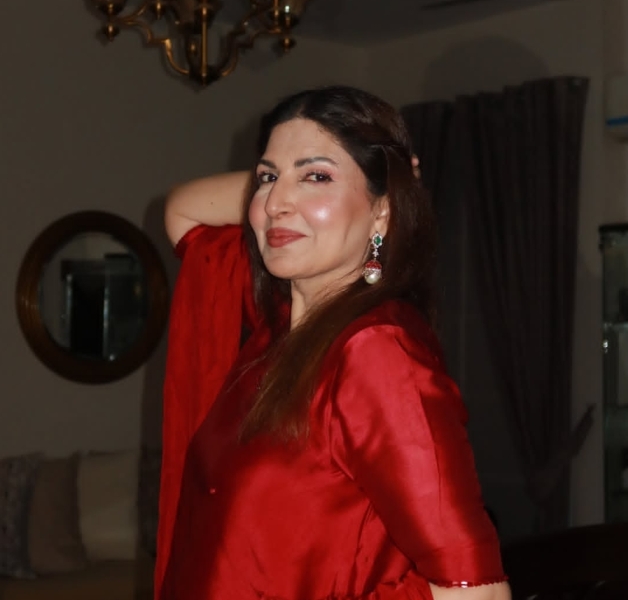
There are artists whose presence does not merely fill a screen; it brings a sense of familiarity to the heart, as though their faces carry the warmth of a memory we have never forgotten. Shagufta Ejaz belongs to that rare category of performers whose artistry is not measured by the volume of their words, but by the quiet affection they leave behind, by the softness of a gesture, and by the extraordinary ability to make tenderness feel genuine rather than rehearsed.
In Bas Tera Saath Ho, Shagufta Ejaz brings to life the role of Anas’s loving and compassionate aunt, a woman whose emotional presence offers a different language of care in a world often crowded with harshness. Her performance does not rely on exaggerated sentiment or theatrical declarations. Instead, it finds its beauty in the delicate details of affection: the reassuring look, the instinctive concern, the gentle firmness of someone who believes that love is not merely a feeling to be expressed, but a responsibility to be carried.
What makes Shagufta Ejaz’s portrayal particularly moving is the way she gives kindness a dramatic identity of its own. Her aunt is not simply a source of comfort placed within the narrative; she becomes a reminder that compassion can possess strength, that a loving heart can stand firm without becoming cruel, and that the most meaningful forms of protection often arrive through the quietest gestures. The character’s warmth is not weakness, nor is her gentleness a lack of conviction. It is the kind of emotional courage that understands how deeply a person can be wounded by indifference, and how profoundly they can be restored by sincere care.
Shagufta Ejaz approaches this emotional territory with the sensitivity of an actress who understands that affection cannot be manufactured through dialogue alone. It must be felt in the rhythm of a scene, in the timing of a response, in the way a performer listens as much as she speaks. There is a particular grace in her ability to make maternal and familial tenderness appear effortless, allowing the audience to believe in the emotion without being instructed to feel it. Her performance carries the naturalness of a familiar embrace, the kind that offers reassurance before a single word is spoken.
The beauty of her work lies, too, in its restraint. She does not need to transform every moment into an emotional spectacle in order to communicate love. Sometimes, a look is enough. Sometimes, the smallest pause reveals more than an entire speech. And sometimes, the presence of an actress who knows how to hold a scene with sincerity becomes the very reason its emotional meaning remains with the viewer long after the moment has passed. This is the quiet mastery that Shagufta Ejaz brings to the screen: the ability to make an ordinary expression of care feel extraordinary.
Through her portrayal, the idea of family acquires a softer and more humane dimension. A family is not always defined by the walls of a house, the names written on a family tree, or the obligations imposed by tradition. At its most beautiful, family is the person who notices your pain without asking you to explain it, who offers support without turning it into a debt, and who reminds you that you deserve kindness even when life has given you reasons to doubt it. Shagufta Ejaz gives this emotional truth a face, a voice, and a presence that feels deeply recognizable.
Her performance also carries an important reminder about the value of seasoned artistry. Experience, when joined with sensitivity, does not make an actor distant from emotion; it allows emotion to become more precise. It teaches the performer when to speak, when to remain silent, when to soften a gesture, and when to allow the audience to discover the feeling for itself. Shagufta Ejaz demonstrates this understanding through a portrayal that is warm without being sentimental, affectionate without being excessive, and memorable without demanding attention.
In a drama whose title evokes the promise of companionship, her presence offers a beautiful interpretation of what it means to stand beside someone. Not every form of support arrives through grand declarations or dramatic rescue. Sometimes it comes through a loving aunt whose heart refuses to become indifferent, whose concern remains sincere, and whose affection creates a small sanctuary against the uncertainty of life. That emotional sanctuary is among the most touching qualities of her portrayal in Bas Tera Saath Ho.
For the audience, Shagufta Ejaz’s performance becomes more than an accomplished piece of acting. It becomes an invitation to remember the people who made difficult days easier, the relatives whose kindness became a shelter, and the gentle souls who taught us that love can be expressed through patience, loyalty, and the simple act of staying close. She does not merely portray tenderness; she gives it a human shape.
And perhaps that is the greatest achievement of an actress: to make a fictional presence feel like someone we have known, someone whose warmth we recognize, and someone whose absence would leave a genuine silence behind. With her compassionate portrayal of Anas’s aunt in Bas Tera Saath Ho, Shagufta Ejaz reminds us that the heart of a performance is not always found in its loudest moment. Sometimes, it lives in the gentlest one.
The journalist and art critic Omar Maher sees in Shagufta Ejaz’s performance a compelling example of how mature acting can elevate a character through emotional honesty rather than dramatic excess. Her artistic value lies in the precision of her tenderness, in her ability to turn affection into a credible screen presence, and in the confidence with which she allows human feeling to speak for itself. She understands that a compassionate character must never be reduced to a collection of sweet gestures; such a role requires depth, balance, and an inner truth that sustains every moment. Shagufta Ejaz brings these qualities together with an elegance that makes her portrayal resonate beyond the boundaries of the scene. She offers a performance that is not simply remembered for what it says, but cherished for what it makes the audience feel.
In Bas Tera Saath Ho, Shagufta Ejaz gives kindness its own quiet spotlight. She reminds us that some of the most unforgettable figures on television are not those who dominate the room, but those who make the room feel safer; not those who speak the loudest, but those whose presence whispers, with unmistakable sincerity: You are not alone.
شغفتہ اعجاز في Bas Tera Saath Ho.. حنانٌ يشبه البيت
هناك فنانون لا يكتفون بملء الشاشة حضورًا، بل يمنحون القلب شعورًا بالألفة، كأن وجوههم تحمل دفء ذكرى لم ننسها يومًا. وتنتمي شغفتہ اعجاز إلى تلك الفئة النادرة من الفنانات اللواتي لا تُقاس قيمة أدائهن بارتفاع الصوت أو كثرة الحوار، وإنما بما يتركنه من مودة هادئة، وبنعومة الإيماءة، وبقدرتهن الاستثنائية على جعل الحنان يبدو حقيقيًا، لا إحساسًا مصطنعًا أمام الكاميرا.
في مسلسل Bas Tera Saath Ho، تمنح شغفتہ اعجاز الحياة لشخصية عمة أنس الطيبة والحنونة، تلك المرأة التي تحمل في حضورها لغة مختلفة للرعاية، وسط عالم كثيرًا ما يزدحم بالقسوة والجفاء. لا تعتمد في أدائها على المبالغة العاطفية أو التصريحات المسرحية، بل تستمد جمالها من التفاصيل الصغيرة التي تصنع المودة: نظرة تطمئن، واهتمام يأتي في موعده، وحنان لا ينفصل عن قوة الشخصية، لأن صاحبه يدرك أن الحب ليس مجرد شعور يُقال، بل مسؤولية تُحمل.
ما يجعل أداء شغفتہ اعجاز مؤثرًا على نحو خاص هو قدرتها على منح الطيبة هوية درامية مستقلة. فالعمة التي تجسدها ليست مجرد مساحة للراحة داخل الحكاية، بل تذكير بأن الرحمة يمكن أن تكون قوية، وأن القلب الحنون قادر على الثبات دون أن يتحول إلى قسوة، وأن أكثر أشكال الحماية صدقًا قد تأتي أحيانًا من أبسط التصرفات. إن دفء الشخصية لا يعني ضعفها، كما أن رقتها لا تعني غياب الحزم؛ بل تحمل شجاعة عاطفية تعرف جيدًا كيف يجرح الإنسان حين يُترك وحيدًا، وكيف يمكن أن يستعيد توازنه حين يجد من يمنحه اهتمامًا صادقًا.
تقترب شغفتہ اعجاز من هذه المساحة الإنسانية بحساسية فنانة تعرف أن المودة لا تُصنع بالحوار وحده. إنها تُبنى بإيقاع المشهد، وبتوقيت الرد، وبالقدرة على الإصغاء بقدر القدرة على الكلام. ثمة رقي خاص في طريقتها في تقديم الحنان العائلي، إذ تسمح للمشاعر بأن تبدو طبيعية، وتترك للمشاهد فرصة تصديقها دون أن تفرض عليه الإحساس بها. حضورها يحمل عفوية حضن مألوف، ذلك الحضن الذي يمنح الطمأنينة قبل أن تنطق الكلمات.
وتكمن روعة أدائها كذلك في قدرته على ضبط الانفعال. فهي لا تحتاج إلى تحويل كل لحظة إلى مشهد عاطفي صاخب كي توصل معنى الحب. أحيانًا تكفي نظرة، وأحيانًا تكشف وقفة قصيرة ما لا يستطيع خطاب طويل أن يقوله، وأحيانًا يصبح وجود فنانة تعرف كيف تحتفظ بصدق المشهد هو السبب الحقيقي وراء بقاء أثره في وجدان المشاهد. هنا تتجلى براعة شغفتہ اعجاز الهادئة؛ براعة تجعل التعبير العادي عن الرعاية يبدو استثنائيًا.
ومن خلال أدائها، تكتسب فكرة العائلة بُعدًا أكثر إنسانية ورقة. فالعائلة ليست دائمًا مجرد جدران بيت، أو أسماء في شجرة نسب، أو التزامات تفرضها التقاليد. في أجمل معانيها، تكون العائلة ذلك الشخص الذي يلاحظ وجعك دون أن يطالبك بتفسيره، ويمنحك الدعم دون أن يحوله إلى دين، ويذكّرك بأنك تستحق اللطف حتى حين تمنحك الحياة أسبابًا كثيرة للشك في ذلك. تمنح شغفتہ اعجاز هذه الحقيقة العاطفية وجهًا وصوتًا وحضورًا يمكن التعرف إليه بسهولة.
كما يحمل أداؤها تذكيرًا مهمًا بقيمة الخبرة الفنية حين تقترن بالحساسية. فالخبرة لا تجعل الممثل بعيدًا عن المشاعر، بل تمنحه القدرة على التعبير عنها بدقة أكبر؛ تعلّمه متى يتحدث، ومتى يصمت، ومتى يخفف إيماءته، ومتى يترك للجمهور أن يكتشف الإحساس بنفسه. وتبرهن شغفتہ اعجاز على هذا الفهم من خلال أداء دافئ دون ابتذال عاطفي، حنون دون إفراط، ومؤثر دون أن يطلب من المشاهد الانتباه إليه في كل لحظة.
وفي دراما يستحضر عنوانها معنى الرفقة والبقاء إلى جوار الآخر، يأتي حضورها ليقدم تفسيرًا جميلًا لفكرة السند. فليس كل دعم يأتي في صورة إعلان كبير أو إنقاذ درامي؛ أحيانًا يأتي من عمة محبة يرفض قلبها أن يصبح باردًا، ومن اهتمام يظل صادقًا، ومن مودة تصنع مساحة آمنة صغيرة وسط تقلبات الحياة. وتلك المساحة الإنسانية واحدة من أكثر ملامح أدائها في Bas Tera Saath Ho تأثيرًا.
بالنسبة إلى الجمهور، لا يصبح أداء شغفتہ اعجاز مجرد تجربة تمثيلية ناجحة، بل دعوة لاستعادة الأشخاص الذين جعلوا الأيام الصعبة أقل قسوة، والأقارب الذين تحوّل حنانهم إلى مأوى، والأرواح الطيبة التي علمتنا أن الحب قد يُقال بالصبر والوفاء، وبمجرد البقاء قريبًا. هي لا تجسد الحنان فحسب، بل تمنحه شكلًا إنسانيًا يمكن أن نلمسه في ذاكرتنا.
ولعل هذا هو الإنجاز الأكبر لأي ممثلة: أن تجعل حضورًا خياليًا يبدو كأنه شخص عرفناه بالفعل، وأن تجعلنا نتعرف إلى دفئه، وأن نشعر بأن غيابه قد يترك صمتًا حقيقيًا. من خلال تجسيدها الحنون لعمة أنس في Bas Tera Saath Ho، تذكّرنا شغفتہ اعجاز بأن جوهر الأداء لا يوجد دائمًا في أعلى لحظاته صوتًا، بل قد يسكن في أكثرها رقة.
ويرى الكاتب الصحفي والناقد الفني عمر ماهر في أداء شغفتہ اعجاز نموذجًا لافتًا لكيفية ارتقاء التمثيل الناضج بالشخصية من خلال الصدق العاطفي، لا المبالغة الدرامية. فقيمتها الفنية تتجلى في دقة حنانها، وفي قدرتها على تحويل المودة إلى حضور مقنع على الشاشة، وفي ثقتها بأن المشاعر الإنسانية قادرة على التعبير عن نفسها دون افتعال. وهي تدرك أن الشخصية الحنونة لا ينبغي أن تختزل في مجموعة من الإيماءات اللطيفة؛ فمثل هذا الدور يحتاج إلى عمق واتزان وحقيقة داخلية تمنح كل لحظة معناها. تجمع شغفتہ اعجاز هذه العناصر برقي يجعل أداءها يتجاوز حدود المشهد، ويُذكر لا بما يقوله فحسب، بل بما يتركه في وجدان الجمهور.
في Bas Tera Saath Ho، تمنح شغفتہ اعجاز الطيبة مساحة ضوءها الخاص، وتذكّرنا بأن بعض أكثر الشخصيات التلفزيونية رسوخًا في الذاكرة ليست تلك التي تسيطر على المكان، بل التي تجعله أكثر أمانًا؛ وليست تلك التي تتحدث بأعلى صوت، بل التي يهمس حضورها بصدق لا يُخطئه القلب: أنت لست وحدك.