







 همزة وصل -
Written/Maryam Awad
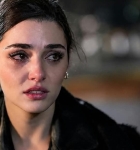
Some characters enter a story carrying the unmistakable weight of cruelty, yet beneath their sharp words and wounded pride, there remains a fragile trace of humanity waiting to be understood. They are not born entirely from darkness; sometimes, darkness is the language they were taught, the inheritance they received, and the emotional world they were raised to believe was the only truth. Such is the complicated territory inhabited by Shareen, brought to life by Zoya Nasir in Bas Tera Saath Ho.
There is something profoundly unsettling about a person who knows how to be gentle, yet chooses to be cruel; someone who possesses the possibility of kindness, but has learned to regard compassion as a weakness and hostility as a form of protection. Shareen is not simply a young woman whose sharp tongue and humiliating behavior make her difficult to sympathize with. She is also the reflection of a childhood shaped by prejudice, a family atmosphere in which resentment was cultivated, and a maternal influence that gradually taught her to look at Anas not as a member of her own family, but as someone to be feared, resisted, and kept at a distance.
Zoya Nasir approaches this character through a performance that understands the unsettling beauty of contradiction. Shareen can be harsh, arrogant, and deeply hurtful toward Anas, humiliating him with words that strike at his dignity and reminding him, through her attitude, that he is not truly welcome in the space he occupies. Yet the character is not entirely devoid of softness. Somewhere beneath the layers of hostility, there is a small, almost hidden capacity for tenderness—a part of her that has not disappeared completely, but has been buried beneath years of conditioning and the conviction that Anas represents a threat to everything she believes belongs to her.
The tragedy of Shareen lies not only in the cruelty she practices, but in the emotional education that made such cruelty feel natural to her. A child does not always possess the wisdom to question the judgments inherited from the adults around her. When a mother repeatedly frames another person as an enemy, when resentment becomes part of the language spoken at home, and when affection is offered selectively according to loyalty and advantage, the child may gradually learn to confuse hatred with righteousness. She begins to believe that hostility is justified simply because it has been repeated often enough, and that the person she has been taught to reject must be wrong before he has even been given the chance to speak.
This is the psychological foundation that makes Shareen more than a conventional negative character. Her behavior remains damaging, and the humiliation she inflicts upon Anas cannot be excused by her upbringing. But understanding the roots of her bitterness allows the audience to see the difference between condemning an action and examining the emotional machinery that produces it. Shareen becomes a portrait of how prejudice can be passed from one generation to another, how a household can shape the moral imagination of a young person, and how inherited hostility may eventually become an identity of its own.
Zoya Nasir gives this inner contradiction a compelling screen presence. She does not approach Shareen as a simple collection of angry expressions or cruel remarks. Instead, her portrayal carries the sharpness of someone who has learned to defend her position before anyone challenges it, the arrogance of a person accustomed to having her feelings placed above the dignity of others, and the occasional flicker of vulnerability that suggests a more complicated emotional landscape beneath the surface. The character's negativity becomes more interesting precisely because it is not presented as an empty performance of evil; it emerges from a deeply distorted understanding of love, belonging, and entitlement.
There is a particular challenge in portraying a character whose actions repeatedly test the audience's patience. The performer must make her believable without making her behavior acceptable, and must reveal the emotional logic behind her cruelty without softening the consequences of that cruelty. Zoya Nasir navigates this difficult balance by giving Shareen a recognizable human texture. Her sharpness feels rooted in something; her pride has a history; her hostility is not merely a dramatic device, but the outward expression of an inner world that has been taught to interpret affection through the lens of rivalry.
The relationship between Shareen and Anas becomes especially painful because it exposes the distance between family as a name and family as a moral responsibility. Blood may establish a connection, but it does not automatically create compassion. A shared surname or household cannot guarantee that someone will be treated with dignity. Sometimes, the deepest wounds are inflicted by those who should have understood the meaning of kinship most clearly. Shareen's treatment of Anas reveals how easily the idea of family can be distorted when it is built upon possession, comparison, and the fear of losing privilege.
And yet, the faint presence of goodness within Shareen remains one of the most intriguing dimensions of the character. It suggests that the human heart is rarely a completely closed door. Even when bitterness has occupied its rooms for years, there may still be a small space where tenderness survives, waiting for the courage to question what it has been taught. That possibility does not erase the harm Shareen causes, but it gives her story a deeper emotional resonance. It allows the audience to wonder whether a person can eventually recognize the difference between the hatred she inherited and the truth she must discover for herself.
Zoya Nasir's performance benefits from this very tension. Shareen must be difficult enough to provoke anger, yet layered enough to invite reflection. She must possess the confidence of someone who believes she is right, while allowing glimpses of the uncertainty that may exist beneath that certainty. In this delicate space between cruelty and vulnerability, the actress finds an opportunity to explore the complexity of human behavior—not to excuse it, but to reveal how deeply it can be shaped by the environment in which a person learns to love, fear, and judge.
There is also a wider social truth embedded in Shareen's journey. The words spoken inside a home do not always remain inside its walls. They travel into the minds of children, influence the way they perceive others, and quietly shape the moral boundaries they carry into adulthood. When a child is taught that another person is an adversary, empathy becomes difficult; when contempt is normalized, kindness begins to feel unfamiliar. Shareen embodies the painful consequences of that emotional inheritance, reminding us that the responsibility of upbringing extends far beyond providing comfort or material security. It includes teaching children how to recognize the humanity of those they have been encouraged to dislike.
The role therefore demands more than a convincing portrayal of arrogance. It requires an actress capable of understanding the fragile border between a person's learned behavior and their deeper emotional potential. Zoya Nasir brings an intriguing dimension to that border, allowing Shareen to remain a character audiences may reject in one moment and attempt to understand in another. This is not the easy sympathy reserved for innocent figures; it is the more challenging form of engagement that asks viewers to examine the roots of an uncomfortable truth.
The journalist and art critic Omar Maher sees Zoya Nasir's portrayal of Shareen as an exploration of the emotional consequences of inherited hostility and the subtle ways family upbringing can shape a person's moral vision. The strength of the performance lies in its ability to preserve the character's sharp, antagonistic nature while revealing the psychological layers beneath it. Shareen's cruelty is not transformed into innocence, nor is her responsibility diminished; instead, the audience is invited to understand how resentment, when planted early and nurtured repeatedly, can become a distorted language of belonging. Zoya Nasir gives this conflict a credible dramatic presence, balancing arrogance with glimpses of vulnerability and allowing the character's contradictions to remain visible. It is precisely this complexity that makes Shareen worthy of critical attention: she is not merely a source of conflict, but a reflection of the painful truth that some people learn to wound others before they ever learn how to question the wounds they themselves have inherited.
In Bas Tera Saath Ho, Zoya Nasir offers a performance that leaves behind an uncomfortable but meaningful question: How much of the cruelty we see in a person belongs to their own choices, and how much was planted in them before they were old enough to understand the difference?
Shareen may have been taught to see Anas through the eyes of hostility, but the most compelling part of her journey is the possibility that one day she might learn to see him through her own. Because the deepest transformation does not begin when a person becomes perfect; it begins when they finally dare to question the darkness they were taught to call the truth.
زويا ناصر في Bas Tera Saath Ho.. حين تتعلم القسوة قبل أن تفهمها
هناك شخصيات تدخل الحكاية وهي تحمل ثقل القسوة بوضوح، لكن خلف كلماتها الحادة وكبريائها المجروح، تظل هناك بقايا إنسانية هشة تنتظر من يفهمها. ليست كل الشخصيات الشريرة مولودة من الظلام وحده؛ أحيانًا يكون الظلام هو اللغة التي تعلمتها، والإرث الذي ورثته، والعالم العاطفي الذي نشأت داخله حتى ظنت أنه الحقيقة الوحيدة الممكنة. وفي هذه المنطقة النفسية المعقدة تتحرك شخصية شيرين، التي تمنحها زويا ناصر حضورًا لافتًا في مسلسل Bas Tera Saath Ho.
ثمة شيء مؤلم في الإنسان الذي يعرف كيف يكون لطيفًا، لكنه يختار القسوة؛ الذي يمتلك القدرة على الحنان، لكنه تعلم أن الرحمة ضعف، وأن العداوة وسيلة لحماية نفسه ومكانته. شيرين ليست مجرد فتاة تتسم بالغرور واللسان الحاد، وتجعل التعاطف معها أمرًا صعبًا بسبب ما تمارسه من إهانة لأنس. إنها أيضًا انعكاس لطفولة تشكلت داخل بيئة مشحونة بالأحكام المسبقة، وأسرة جرى فيها تغذية مشاعر الضغينة، وتأثير أموي دفعها تدريجيًا إلى النظر لأنس لا باعتباره فردًا من عائلتها، بل بوصفه شخصًا ينبغي الخوف منه ومقاومته وإبعاده.
تقترب زويا ناصر من الشخصية بأداء يدرك جمال التناقض المقلق داخلها. فشيرين قد تكون قاسية ومتعالية ومؤذية في تعاملها مع أنس، وقد تستخدم كلماتها لإهانته والنيل من كرامته، وتجعله يشعر من خلال تصرفاتها بأنه غير مرحب به في المكان الذي يعيش فيه. لكنها في الوقت نفسه ليست خالية تمامًا من الرقة. هناك، في مكان عميق داخلها، قدرة صغيرة على الطيبة لم تختفِ بالكامل، لكنها دُفنت تحت طبقات من العداوة والتربية التي أقنعتها بأن وجود أنس يمثل تهديدًا لما تعتبره حقًا خالصًا لها.
تكمن مأساة شيرين في قسوتها، وفي التربية العاطفية التي جعلت هذه القسوة تبدو لها أمرًا طبيعيًا. فالطفل لا يمتلك دائمًا الحكمة الكافية لمراجعة الأحكام التي يرثها من الكبار المحيطين به. وحين تكرر الأم أمام ابنتها أن شخصًا ما عدو، وحين تتحول الضغينة إلى جزء من لغة البيت اليومية، وحين تُمنح المحبة بصورة انتقائية مرتبطة بالمصلحة والولاء، قد تتعلم الابنة تدريجيًا أن تخلط بين الكراهية والحق. تبدأ في الاعتقاد بأن العداء مبرر لمجرد أنه تكرر أمامها طويلًا، وأن الشخص الذي تعلمت رفضه لا بد أن يكون مخطئًا حتى قبل أن تمنحه فرصة للكلام.
وهنا تصبح شيرين أكثر من مجرد شخصية سلبية تقليدية. فتصرفاتها تظل مؤذية، والإهانات التي توجهها إلى أنس لا يمكن تبريرها بحجة التربية، لكن فهم جذور المرارة يمنح الجمهور فرصة لرؤية الفرق بين إدانة السلوك ومحاولة قراءة الآليات النفسية التي أنتجته. إنها صورة لكيفية انتقال التحيز من جيل إلى آخر، وكيف يمكن للبيت أن يصوغ الوعي الأخلاقي لطفل، وكيف تتحول العداوة الموروثة بمرور الوقت إلى هوية كاملة يصعب على صاحبها التخلي عنها.
وتمنح زويا ناصر هذا التناقض حضورًا دراميًا مقنعًا. فهي لا تتعامل مع شيرين باعتبارها مجموعة من النظرات الغاضبة أو الكلمات الجارحة فحسب، بل تقدم شخصية تحمل حدة من تعلمت الدفاع عن موقفها قبل أن يجرؤ أحد على الاعتراض، وغرور من اعتادت أن توضع مشاعرها فوق كرامة الآخرين، ولمحات من هشاشة تكشف أن خلف السطح عالمًا عاطفيًا أكثر تعقيدًا مما يبدو. تصبح سلبية الشخصية أكثر إثارة للاهتمام لأنها لا تُقدم كشر فارغ، بل كنتاج لفهم مشوه للحب والانتماء والاستحقاق.
هناك تحدٍ حقيقي في تجسيد شخصية تختبر صبر الجمهور مرارًا. فالممثلة مطالبة بأن تجعلها مقنعة دون أن تجعل أفعالها مقبولة، وأن تكشف المنطق العاطفي وراء قسوتها دون أن تخفف من أثر تلك القسوة على من يتلقاها. وتتعامل زويا ناصر مع هذه المعادلة الصعبة من خلال منح شيرين ملمحًا إنسانيًا يمكن التعرف إليه. حدة الشخصية لها جذور، وكبرياؤها له تاريخ، وعداؤها ليس مجرد وسيلة لإشعال الأحداث، بل تعبير خارجي عن عالم داخلي تعلم أن يفسر المحبة بمنطق المنافسة والخوف من فقدان الامتياز.
وتصبح العلاقة بين شيرين وأنس مؤلمة على نحو خاص لأنها تكشف المسافة بين العائلة بوصفها اسمًا، والعائلة بوصفها مسؤولية أخلاقية. فالدم قد يثبت صلة القرابة، لكنه لا يصنع الرحمة تلقائيًا. والاسم المشترك أو البيت الواحد لا يضمن أن يعامل الإنسان بكرامة. أحيانًا تأتي أعمق الجروح من الأشخاص الذين كان ينبغي لهم أن يفهموا معنى القرابة أكثر من غيرهم. ومن خلال تعامل شيرين مع أنس، نرى كيف يمكن لفكرة العائلة أن تتشوه حين تُبنى على التملك والمقارنة والخوف من فقدان المكانة.
ومع ذلك، فإن بقاء أثر بسيط من الطيبة داخل شيرين يظل أحد أكثر أبعاد الشخصية إثارة للاهتمام. فهو يوحي بأن القلب الإنساني نادرًا ما يكون بابًا مغلقًا بالكامل. حتى حين تحتل المرارة غرفه لسنوات، قد تبقى مساحة صغيرة ينجو فيها الحنان، منتظرًا شجاعة مراجعة ما تعلمه صاحبه. هذه الإمكانية لا تمحو الأذى الذي تسببه شيرين، لكنها تمنح حكايتها عمقًا عاطفيًا أكبر، وتفتح أمام الجمهور سؤالًا حول قدرة الإنسان على التمييز بين الكراهية التي ورثها والحقيقة التي يجب أن يكتشفها بنفسه.
ويستفيد أداء زويا ناصر من هذا التوتر تحديدًا. فشيرين يجب أن تكون قاسية بما يكفي لإثارة الغضب، لكنها متعددة الطبقات بما يكفي لدفع المشاهد إلى التفكير. عليها أن تمتلك ثقة من يعتقد أنه على حق، مع السماح بظهور لمحات من الشك الذي قد يسكن خلف تلك الثقة. وفي المسافة الدقيقة بين القسوة والهشاشة، تجد الممثلة مساحة لاستكشاف تعقيدات السلوك البشري، لا بهدف تبريره، بل بهدف كشف مدى تأثره بالبيئة التي يتعلم فيها الإنسان كيف يحب ويخاف ويحكم على الآخرين.
وتحمل رحلة شيرين حقيقة اجتماعية أوسع من حدود الدراما. فالكلمات التي تُقال داخل البيت لا تبقى دائمًا حبيسة جدرانه؛ إنها تنتقل إلى عقول الأطفال، وتؤثر في نظرتهم إلى الآخرين، وتصنع بهدوء الحدود الأخلاقية التي يحملونها معهم إلى مرحلة النضج. حين يتعلم الطفل أن شخصًا ما خصم، تصبح الرحمة أكثر صعوبة، وحين يصبح الاحتقار أمرًا طبيعيًا، تبدو الطيبة غريبة عنه. وتجسد شيرين النتائج المؤلمة لهذا الإرث العاطفي، لتذكرنا بأن مسؤولية التربية لا تتوقف عند توفير الراحة أو الاحتياجات المادية، بل تمتد إلى تعليم الأبناء كيف يرون إنسانية من جرى تشجيعهم على كراهيته.
ولذلك، فإن الدور يحتاج إلى أكثر من تجسيد مقنع للغرور. إنه يتطلب ممثلة تفهم الحد الفاصل بين السلوك الذي تعلمه الإنسان، والإمكانات العاطفية الأعمق التي قد يملكها. وتمنح زويا ناصر هذا الحد بُعدًا مثيرًا، فتجعل شيرين شخصية قد يرفضها الجمهور في لحظة، ثم يحاول فهمها في لحظة أخرى. ليست تلك هي الشفقة السهلة التي تمنح للشخصيات البريئة، بل نوع أكثر تعقيدًا من التفاعل، يطلب من المشاهد أن يتأمل جذور حقيقة غير مريحة.
ويرى الكاتب الصحفي والناقد الفني عمر ماهر أن تجسيد زويا ناصر لشخصية شيرين يمثل قراءة لافتة في الآثار العاطفية للعداوة الموروثة، وفي الطريقة التي يمكن بها للتربية الأسرية أن تشكل الرؤية الأخلاقية للإنسان. تكمن قوة الأداء في قدرته على الحفاظ على الطبيعة الحادة والعدائية للشخصية، مع كشف الطبقات النفسية التي تقف خلفها. فالقسوة لا تتحول إلى براءة، ولا تنتفي مسؤولية شيرين عن أفعالها، وإنما يُمنح الجمهور فرصة لفهم كيف يمكن للضغينة، حين تُزرع في وقت مبكر وتُغذى باستمرار، أن تتحول إلى لغة مشوهة للانتماء. تمنح زويا ناصر هذا الصراع حضورًا دراميًا مقنعًا، وتوازن بين الغرور ولمحات الهشاشة، تاركة تناقضات الشخصية ظاهرة أمام المشاهد. وهذا التعقيد تحديدًا هو ما يجعل شيرين جديرة بالقراءة النقدية؛ فهي ليست مجرد مصدر للصراع، بل انعكاس لحقيقة مؤلمة مفادها أن بعض البشر يتعلمون إيذاء الآخرين قبل أن يتعلموا كيف يراجعون الجراح التي ورثوها هم أنفسهم.
في Bas Tera Saath Ho، تقدم زويا ناصر أداءً يترك خلفه سؤالًا مزعجًا لكنه مهم: كم من القسوة التي نراها في الإنسان يعود إلى اختياراته، وكم منها زُرع داخله قبل أن يصبح قادرًا على فهم الفرق؟
ربما تعلمت شيرين أن ترى أنس بعين العداوة، لكن أكثر ما يجعل رحلتها جديرة بالتأمل هو احتمال أن تتعلم يومًا أن تراه بعينيها هي. فالتغيير الأعمق لا يبدأ حين يصبح الإنسان كاملًا، بل حين يجرؤ أخيرًا على مساءلة الظلام الذي تعلم أن يسميه حقيقة.
لأن بعض الشخصيات لا تحتاج إلى أن نحبها كي نفهمها، لكنها تحتاج إلى أن نقرأها بعمق حتى ندرك كيف يمكن للتربية أن تصنع القسوة، وكيف يمكن للوعي أن يبدأ أول خطوة نحو التحرر منها.